Welcome, fellow business enthusiasts, to a journey towards maximizing efficiency with ERP software. In this article, we will explore the power of Enterprise Resource Planning (ERP) solutions and how they can revolutionize the way your business operates. From streamlining operations to improving communication and decision-making, ERP software is a game-changer for modern businesses looking to stay ahead of the curve. So sit back, relax, and let’s dive into the world of ERP software together.
Understanding ERP Systems for Business
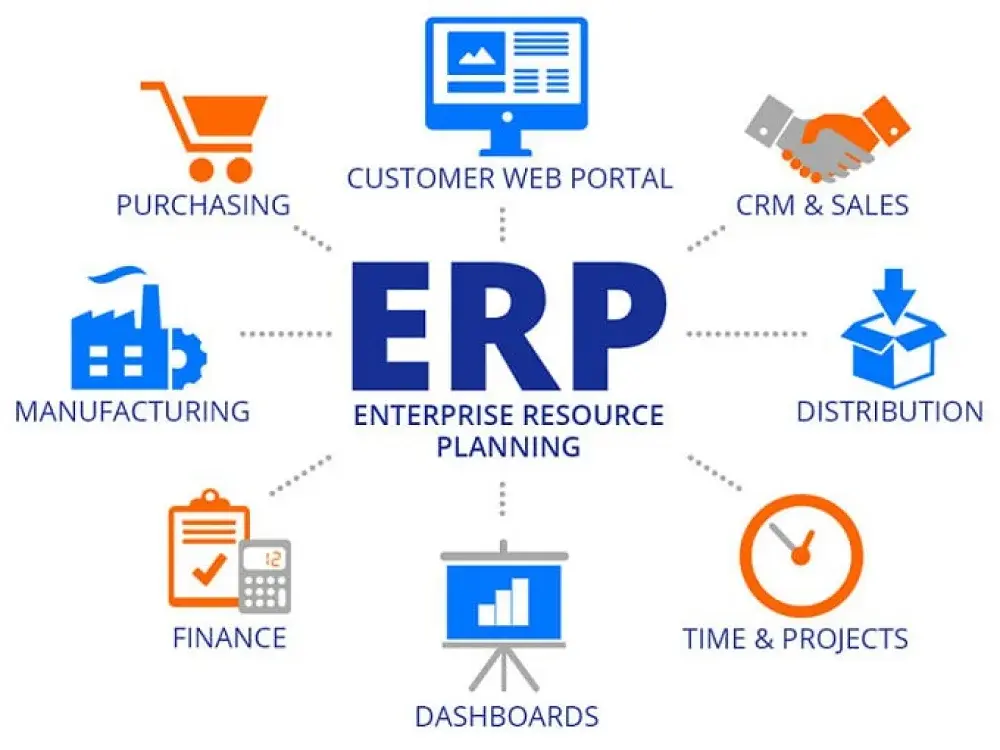
ERP systems, or Enterprise Resource Planning systems, are software applications that help businesses manage and integrate their important functions and processes in one central database. These functions may include accounting, human resources, inventory management, sales, and more. The goal of an ERP system is to streamline and automate routine tasks, improve business efficiency, and provide valuable data insights for informed decision-making.
One of the key benefits of using an ERP system is the consolidation of information from various departments into a single, unified platform. This allows for real-time data sharing and collaboration across different functions of the organization, leading to improved communication and productivity. For example, instead of each department maintaining its own separate set of data, an ERP system can provide a single source of truth for all users to access and update as needed.
Another advantage of implementing an ERP system is the increased visibility it provides into business operations. Through the use of dashboards and reporting tools, managers can easily track key performance indicators (KPIs), identify trends, and make data-driven decisions. This level of insight is crucial for businesses looking to stay competitive in today’s fast-paced market.
ERP systems also offer scalability and flexibility for growing businesses. As companies expand their operations or add new products or services, an ERP system can easily adapt to accommodate these changes. This scalability allows businesses to future-proof their systems and avoid costly upgrades or migrations down the line.
Additionally, ERP systems help streamline business processes by eliminating redundant tasks and automating workflows. This not only saves time and improves overall efficiency, but it also reduces the risk of errors and inaccuracies that can arise from manual data entry. By automating repetitive tasks, employees can focus on more strategic initiatives that drive growth and innovation.
In conclusion, ERP systems play a crucial role in helping businesses streamline their operations, improve efficiency, and make informed decisions based on real-time data. By centralizing information, increasing visibility, and automating workflows, ERP systems provide a solid foundation for sustainable growth and success in today’s competitive business environment.
Benefits of Implementing ERP Software
Implementing ERP software in a business can bring about a multitude of benefits that can improve efficiency, decision-making, and productivity. Here are some of the key advantages of using ERP software:
1. Streamlined Processes: One of the main benefits of implementing ERP software is the ability to streamline business processes. This software integrates all the different departments within a company, allowing for a seamless flow of information and data. By centralizing information, employees can access real-time data and make informed decisions quickly. This can lead to reduced errors, improved communication, and increased efficiency.
2. Enhanced Data Accuracy: ERP software helps in maintaining accurate and up-to-date data throughout the organization. By integrating various systems and databases into one, ERP software eliminates the need for manual data entry and reduces the risk of errors. This ensures that decision-makers have access to reliable information, leading to more accurate forecasting and planning. Additionally, ERP software provides data security measures to protect sensitive information, ensuring compliance with data privacy regulations.
3. Improved Reporting and Analysis: With ERP software, businesses have access to advanced reporting and analysis tools that allow them to gain insights into their operations. This enables managers to track key performance indicators, monitor trends, and identify areas for improvement. By having access to real-time data, businesses can make informed decisions more quickly, leading to increased productivity and profitability.
4. Cost Savings: Implementing ERP software can lead to cost savings in various areas of the business. By streamlining processes and automating tasks, businesses can reduce operational costs, eliminate redundant activities, and improve resource allocation. Additionally, ERP software can help in optimizing inventory levels, reducing inventory holding costs, and minimizing stockouts. By improving efficiency and reducing waste, businesses can improve their bottom line and achieve a higher return on investment.
5. Scalability and Flexibility: ERP software is highly scalable and flexible, allowing businesses to easily adapt to changing market conditions and growth opportunities. As businesses grow and expand, ERP software can accommodate increased data volume, users, and transactions without compromising performance. This scalability ensures that businesses can continue to operate efficiently and effectively, regardless of their size or complexity.
6. Enhanced Customer Service: ERP software can help businesses improve customer service by providing a 360-degree view of customer interactions and preferences. By centralizing customer data and streamlining processes, businesses can provide faster response times, personalized service, and increased customer satisfaction. This can lead to higher customer retention rates, repeat business, and positive word-of-mouth referrals, ultimately driving business growth and success.
In conclusion, implementing ERP software can bring numerous benefits to businesses, including streamlined processes, enhanced data accuracy, improved reporting and analysis, cost savings, scalability and flexibility, and enhanced customer service. By leveraging the power of ERP software, businesses can gain a competitive edge, increase operational efficiency, and achieve long-term success.
Features to Look for in ERP Solutions
When choosing an ERP software for your business, it’s important to consider various key features that will meet your company’s specific needs and goals. Here are some essential features to look for in ERP solutions:
1. Scalability: One of the most important features to consider in an ERP software is scalability. Your business may grow and change over time, so it’s crucial that your ERP system can adapt to accommodate that growth. Look for ERP solutions that offer flexibility and scalability options to ensure that the software can easily handle increased data, users, and transactions as your business expands.
2. Integration capabilities: Another key feature to look for in an ERP solution is its integration capabilities. Your ERP software should be able to seamlessly integrate with other systems and applications that your business uses, such as CRM software, accounting software, and e-commerce platforms. This will help streamline processes, improve data accuracy, and enhance overall efficiency within your organization.
3. Customization options: A crucial feature to consider in ERP solutions is the level of customization they offer. Every business is unique, with its own specific workflows, processes, and requirements. It’s essential that your ERP software can be tailored to meet your company’s individual needs. Look for ERP solutions that provide customizable features, such as customizable dashboards, reports, and workflows, to ensure that the software aligns perfectly with your business operations.
4. User-friendly interface: An intuitive and user-friendly interface is another important feature to look for in ERP software. Your employees will be interacting with the system on a daily basis, so it’s vital that the ERP software is easy to navigate and understand. Look for ERP solutions that offer a clean and simple interface, with easy-to-use tools and functionality, to help improve user adoption and productivity within your organization.
5. Security measures: Data security is a top priority for businesses of all sizes, especially when it comes to sensitive financial and customer information. When choosing an ERP solution, it’s essential to look for robust security measures to protect your data from unauthorized access, breaches, and cyber threats. Make sure the ERP software offers encryption, user authentication, and regular security updates to safeguard your valuable information.
When selecting an ERP software for your business, be sure to consider these key features to ensure that the system will meet your company’s specific needs, promote growth, and enhance overall efficiency. By choosing an ERP solution with scalability, integration capabilities, customization options, a user-friendly interface, and strong security measures, you can streamline processes, improve productivity, and drive success within your organization.
Top ERP Software Providers in the Market
Enterprise Resource Planning (ERP) software has become essential for businesses looking to streamline their operations and improve efficiency. There are several top ERP software providers in the market that offer a wide range of features to meet the needs of different businesses.
1. SAP ERP: SAP is one of the leading ERP software providers in the market, with a comprehensive suite of tools for managing finances, human resources, supply chain, and more. SAP ERP offers real-time analytics, automation of key business processes, and scalability to support growing businesses.
2. Oracle ERP Cloud: Oracle offers a cloud-based ERP solution that is highly customizable and scalable. Oracle ERP Cloud provides features such as financial management, procurement, project management, and risk management. It also offers advanced security and compliance functionalities.
3. Microsoft Dynamics 365: Microsoft Dynamics 365 is a popular choice for businesses looking for a flexible ERP solution. It offers modules for finance, sales, marketing, and customer service, all integrated with other Microsoft products such as Office 365. Microsoft Dynamics 365 also provides AI capabilities for predictive analytics and insights.
4. Infor ERP: Infor is a well-known ERP software provider that offers industry-specific solutions for various sectors such as manufacturing, healthcare, and retail. Infor ERP combines core ERP functionalities with advanced capabilities for supply chain management, customer relationship management, and enterprise asset management.
Infor ERP prioritizes user experience with a modern interface and easy-to-use tools, making it a popular choice for many businesses. Its cloud-based deployment options also make it accessible for businesses of all sizes.
5. Epicor ERP: Epicor offers a comprehensive ERP solution for mid-sized businesses, with modules for finance, manufacturing, distribution, and service industries. Epicor ERP focuses on providing industry-specific functionalities and customizable workflows to meet the unique needs of different businesses.
6. NetSuite ERP: NetSuite, now owned by Oracle, is a cloud-based ERP solution that integrates with other Oracle products for a seamless user experience. NetSuite ERP offers modules for financial management, order management, inventory control, and e-commerce, making it a versatile choice for businesses looking to digitize their operations.
Each of these top ERP software providers has its strengths and weaknesses, so it’s important for businesses to evaluate their specific needs and budget before selecting a solution. Whether you’re a small startup or a large enterprise, there is an ERP software provider in the market that can help streamline your operations and drive growth.
Key Considerations When Choosing an ERP System
Choosing the right ERP system for your business is a crucial decision that can impact your operations, productivity, and overall success. With the myriad of options available in the market, it’s important to carefully consider the following key factors before making a final decision:
1. System Compatibility: One of the first things you need to consider when selecting an ERP system is its compatibility with your existing technology infrastructure. Make sure that the system seamlessly integrates with your current software and hardware to avoid any costly compatibility issues down the line.
2. Scalability: Another important consideration is the scalability of the ERP system. As your business grows and evolves, you want a system that can easily adapt to your changing needs. Look for a solution that can grow with your business and accommodate future expansion without requiring a complete overhaul.
3. Customization: Every business is unique, so it’s essential to opt for an ERP system that can be customized to meet your specific requirements. Look for a system that offers flexible customization options, allowing you to tailor the software to suit your business processes and workflows.
4. User-Friendly Interface: Ease of use is another crucial factor to consider when choosing an ERP system. A complex and cluttered interface can lead to confusion and decreased productivity among your employees. Look for a system that offers an intuitive and user-friendly interface that is easy to navigate and requires minimal training.
5. Support and Training: When implementing a new ERP system, it’s important to consider the level of support and training offered by the vendor. A system is only as good as the support behind it, so make sure to choose a vendor that provides comprehensive training for your staff and offers ongoing support to address any issues or questions that may arise.
Investing in the right ERP system is a critical decision that can have a significant impact on your business’s efficiency, productivity, and bottom line. By carefully considering these key factors when choosing an ERP system, you can ensure that you select a solution that meets your unique needs and sets your business up for success both now and in the future.